Newborn Essentials Checklist:
Everything You Actually Need
for Your Baby
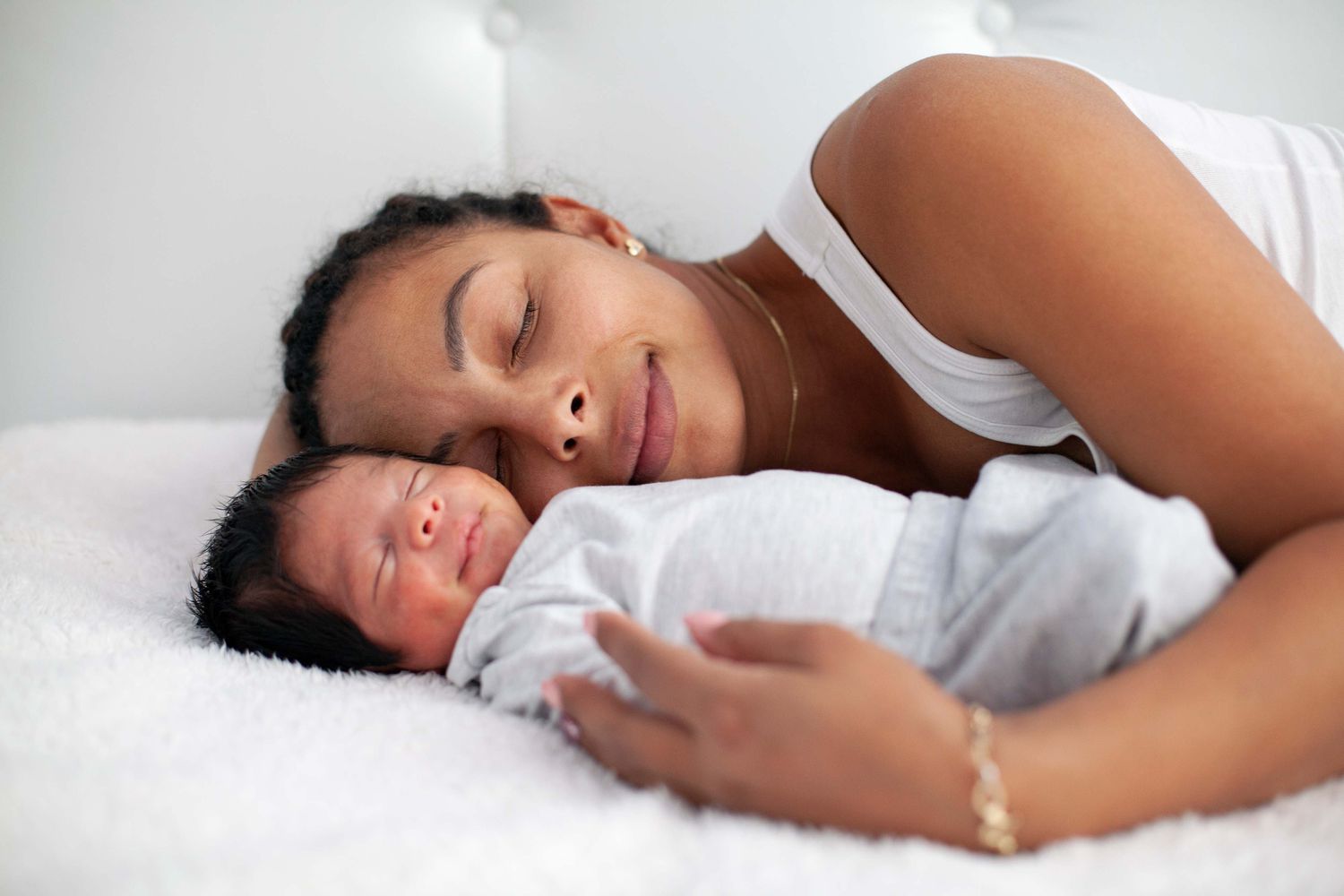
Honest advice from a mom who’s done this three times — no marketing noise, no panic buying, just what truly matters in those first precious weeks.
I still remember standing in the middle of a baby megastore at eight months pregnant, cart piled high with things I’d seen on some influencer’s “must-have” reel, completely overwhelmed and honestly a little tearful. My husband looked at me and whispered: “Do we really need a wipe warmer?”
Spoiler: We did not need a wipe warmer.
Three babies later — and after years of helping friends and readers navigate that exact spiral — I’ve learned what genuinely matters in those first hazy, magical, exhausting weeks with a newborn. This newborn essentials checklist is everything I wish someone had handed me before baby number one. It’s the list I actually use, refined by real experience, not brand sponsorships.
Let’s cut through the noise together.
What Are Newborn Essentials?
Before we dive into the actual baby essentials list for newborns, let’s get clear on what “essential” actually means. Because the baby industry has a very different definition than a tired mom at 3am does.
Newborn essentials are the foundational items that keep your baby safe, fed, clean, and comfortable in their first weeks of life. That’s it. Not every gadget that promises to make parenting easier, not every item in the “trending baby gear” roundup. The things that if you didn’t have them, you would genuinely struggle.
Think of it in six categories: sleeping, feeding, diapering, clothing, hygiene, and travel & safety. Everything else is a bonus — lovely to have, but not make-or-break.
With my first baby, I spent close to €800 on “essentials.” With my third, I spent about €200 and had everything I truly needed. The difference? I stopped listening to marketing and started listening to other moms. That’s exactly what this guide is.
Newborn Essentials Checklist Overview
Here’s a quick-reference overview before we go deep on each category. I’ve rated everything so you know what to prioritize if you’re working with a tight budget or timeline.
| Category | Importance Level | Notes |
|---|---|---|
| 🛏️ Sleeping | Must-have | Safe sleep = everything in the early weeks |
| 🍼 Feeding | Must-have | Breast or bottle, you need to be prepared |
| 👶 Diapering | Must-have | You will change 8–12 diapers a day |
| 👕 Clothing | Must-have | Keep it minimal — babies grow fast |
| 🧼 Hygiene | Important | Gentle products only, less is more |
| 🚼 Travel & Safety | Essential | Car seat is legally required in most countries |
Sleeping Essentials
Let me tell you something nobody tells you before you become a parent: you will think about sleep constantly. Your baby’s sleep, your sleep, the quality of sleep, the length of sleep. Safe sleep is not just important — in the newborn stage, it is the foundation of everything.
Newborns sleep between 14 to 17 hours a day. That sounds like a lot until you realize it happens in 2–3 hour stretches at all hours of the day and night. Setting up a safe, comfortable sleeping space before your due date is one of the most important things you can do.
What you need for sleep
- Crib or bassinet
- Firm, flat mattress
- Fitted crib sheets (2–3)
- Swaddle blankets (3–4)
- Baby monitor (optional but helpful)
- Wearable baby sleep sack
On the subject of swaddles: I cannot overstate how much a good swaddle changed our newborn nights. The Moro reflex (that startling twitch babies have) wakes them constantly unless they’re snugly wrapped. I went through about four different swaddle styles before finding the ones that actually stayed put. Look for stretchy knit fabric — it’s easiest to work with at 3am when your brain isn’t fully functioning.
Always place baby on their back, on a firm, flat surface, with nothing else in the crib. This is the single most important thing you can do for newborn safety. I know the crib looks bare and sad — I did too — but it’s the right call every time.
Feeding Essentials
Whether you plan to breastfeed, bottle-feed, or some combination of both, feeding a newborn is intense. In the first few weeks, expect to feed your baby every 2 to 3 hours — that’s around 8 to 12 times a day. Having everything set up and within reach before you’re in the thick of it is genuinely life-changing.
I planned to exclusively breastfeed my first. Then she had a tongue tie we didn’t catch for two weeks, and I was pumping and supplementing with formula while we sorted it out. Moral of the story: prepare for all scenarios. Don’t assume feeding will look exactly the way you imagined, and there is absolutely no shame in any feeding path you take. Fed is what matters.
What you need for feeding
- Baby bottles (3–4 to start)
- Formula (one container, just in case)
- Nursing pillow
- Burp cloths (8–10 minimum)
- Breast pump (if breastfeeding)
- Nipple cream (lanolin or equivalent)
- Bottle brush + drying rack
- Nursing bras (2–3)
The nursing pillow is one item I’d always put on the essential list, even for bottle-feeding moms. It takes so much strain off your arms and back during those long, frequent feeds. My favourites are the C-shaped ones that wrap around your waist.
Breastfeeding is beautiful and natural and also sometimes really hard. If you’re struggling, please reach out to a lactation consultant early — within the first few days if possible. Most hospitals offer this. It genuinely made the difference between me giving up at week one and feeding successfully for over a year.
Diapering Essentials
Here is a number that will either amaze or terrify you: in the first few weeks, you will likely change between 8 and 12 diapers per day. That’s roughly one diaper every two hours, around the clock. Diapering becomes almost meditative after a while — but only if you’re prepared and your changing station is set up properly.
I’ve tried both disposables and cloth over the years. My honest opinion: for the newborn phase especially, disposables are much easier while you’re recovering and adjusting to a new baby. You can always transition to cloth later once you’ve found your footing.
What you need for diapering
- Newborn diapers (1–2 packs to start)
- Size 1 diapers (larger pack)
- Fragrance-free baby wipes
- Diaper rash cream
- Changing pad with cover
- Diaper pail with liner
- Portable diaper bag
- Extra diaper bag inserts
Your changing station deserves its own moment of attention. Set it up in a dedicated spot (dresser topper, changing table, or even just a firm pad on a low dresser) and keep absolutely everything within arm’s reach. You can never, ever step away from a baby on a changing table — not even for two seconds. Have diapers, wipes, cream, and a spare outfit all within reach from day one.
Clothing Essentials
Oh, baby clothes. The tiny socks. The little hats. The miniature jeans that are objectively adorable but make absolutely no sense for a baby who can’t walk. I have been there. I bought all of it. And here is what I learned: babies need very little clothing, and they outgrow it in weeks.
New parents — especially first-timers — consistently overbuy baby clothing. It’s completely understandable. Everything is impossibly cute and your heart just wants to dress them in all of it. But the reality is that newborns live in sleepers and bodysuits because they’re easy to put on, easy to remove for diaper changes, and comfortable for a baby who spends most of their time horizontal.
What you need for clothing
- 5–8 bodysuits (short + long sleeve)
- 5–7 sleepers / footed pyjamas
- 4–6 pairs of soft socks
- 1–2 hats (for newborn warmth)
- 1–2 cardigans or zip sweatshirts
- 2–3 swaddle blankets (doubles as clothing layer)
A note on “cute” outfits: of course you’ll have some! A few dressy outfits for photos and special visits are totally fine. But your day-to-day wardrobe? Make it functional. You’ll be grateful when you’re doing your fourth outfit change of the day because of a diaper blowout that somehow reached the shoulders (if you know, you know).
Hygiene Essentials
Here’s something that surprised me with my first baby: you don’t bathe a newborn that often. Until the umbilical cord stump falls off (usually around 1–3 weeks), you give sponge baths only. After that, 2–3 times a week is plenty. Newborn skin is remarkably self-regulating, and over-bathing can actually dry it out.
When it comes to baby skincare products, my rule is: less is more, and gentle is everything. Newborn skin is thinner and more permeable than adult skin, which means it absorbs products more readily. Go fragrance-free, go minimal, and if in doubt, plain water is always sufficient for the first few weeks.
What you need for hygiene
- Baby bathtub (with insert for newborns)
- 2–3 soft hooded towels
- Gentle baby wash (fragrance-free)
- Baby nail file or safety scissors
- Soft-bristle hairbrush
- Nasal aspirator (the NoseFrida changed my life)
- Infant thermometer (rectal is most accurate)
- Baby cotton swabs
Travel & Safety Essentials
This is the category where I’ll be the most direct with you: there is one item here that is not optional. Not “nice to have.” Not “get it when you can.” The car seat is legally required in most countries before you leave the hospital. You will not be allowed to take your baby home without one properly installed in your vehicle. No exceptions.
Everything else in this category is important but has more flexibility in timing. A stroller, for example, is genuinely useful but not something you’ll need on day one. A baby carrier is wonderful but can be purchased after birth once you know what position your baby prefers.
What you need for travel & safety
- Infant car seat (installed before due date)
- Stroller compatible with car seat
- Soft baby carrier or wrap
- Diaper bag backpack
- Portable changing pad
- Car mirror (to see rear-facing baby)
Rear-facing is safest for as long as possible — most convertible car seats now accommodate children rear-facing up to 40–50 lbs. Don’t rush to forward-face just because the baby looks cramped. Their legs can bend comfortably; it’s their spine we’re protecting in a crash.
What You DON’T Need (Common Mistakes)
I could genuinely write an entire book on things I bought for my first baby that I never used once. The baby product industry is brilliantly good at making you feel like you’re failing your child if you don’t have the right gadget. You’re not. Here are the things I wish someone had told me to skip:
-
Too many newborn-size outfits. Buy a few cute ones for photos, but stock up in 0–3 months instead. My first daughter wore newborn size for exactly 19 days.
-
A wipe warmer. Warm wipes are lovely. A crying baby because you ran out of power or forgot to refill it is not. Room temperature wipes are absolutely fine.
-
A Diaper Genie or fancy diaper pail early on. Any pail with a lid works. Save the money for the things you’ll actually use daily.
-
Multiple bottle brands “just in case.” Buy 2–3 of one basic style first. Try them. Then shop around if needed.
-
A changing table with bells and whistles. A firm pad on top of a dresser works just as well and saves you buying a piece of furniture you’ll use for 2 years.
-
Elaborate nursery décor before baby arrives. Channel that nesting energy into organizing your changing station and washing baby clothes instead.
-
High-tech gadgets you’ve never seen another parent actually recommend. Sound machines are great. The €300 “smart bassinet that mimics the womb” — ask a real parent first.
Minimal Newborn Essentials: The Budget Version
You do not need to spend a fortune to welcome a healthy, happy baby. If you’re working with a tight budget, or if you’re a minimalist by nature, here is the stripped-back version — the absolute core of what a newborn actually needs.
Everything on this list can be sourced second-hand (except the car seat — always buy a car seat new or from someone you fully trust with documented history). Baby items in good condition come up on Facebook Marketplace, Vinted, and local parent groups constantly.
Crib, bassinet, or bedside sleeper
Bodysuits + sleepers in 0–3m
Start with one pack each size
Even if breastfeeding
Always buy new — non-negotiable
Muslin cloths work perfectly
Register for a baby shower or ask family for items from your list before purchasing. Most grandparents are thrilled to contribute to the essential items. Also: many hospitals provide a take-home kit with diapers, wipes, and basic care items for your first days — ask your midwife or nurse.
Common Mistakes First-Time Parents Make
I’ve talked about what not to buy. But there are also preparation mistakes that go beyond shopping — things about setup, mindset, and planning that I see new parents struggle with over and over again. Consider this your gentle heads-up.
-
Buying too many clothes before birth. You don’t know your baby’s size yet! A friend’s “newborn” arrived at nearly 5kg and went straight into 3-month clothing. Hold off on building a full wardrobe.
-
Not setting up the changing station before baby arrives. You will be too tired, too sore, and too in love to do it after. Set it up at week 36, stock it fully, and thank yourself later.
-
Overcomplicating the feeding setup. You don’t need every bottle, every formula brand, every pump accessory. Start simple. Add things as you discover you need them.
-
Not doing a car seat installation check. Many parents install the seat incorrectly without knowing it. Get it professionally checked — it’s often free and takes 20 minutes.
-
Forgetting to prepare for the postpartum parent, not just the baby. You’re going to need easy meals, comfortable clothes, feeding supplies, and emotional support. Don’t neglect your own list.
Printable Newborn Checklist (Bonus)
Here’s your condensed, at-a-glance checklist — perfect for printing out and ticking off as you shop or receive gifts. Keep it on the fridge, share it with your partner, or send it to a well-meaning relative who’s asking what to buy.
✦ Complete Newborn Essentials Checklist 2026
Frequently Asked Questions
Honestly? Around 5–8 outfits in the 0–3 month size is plenty for day-to-day use. You’ll be doing laundry frequently anyway (babies are enthusiastic with bodily fluids), and they outgrow everything so fast. Don’t buy a full wardrobe in newborn size — many babies skip it entirely. Invest in a few quality pieces in 0–3 months and you’ll be set.
Not necessarily on day one, but you’ll want one within the first few weeks. Many parents find a baby carrier more practical in the very early days for short outings. The car seat, however, is needed from the moment you leave the hospital — so prioritize that first. A travel system that combines both is a great investment if budget allows.
If I had to choose two things, it would be a safe sleeping setup and your diapering supplies. Babies sleep for the majority of their early life, and they need constant diaper changes. Get those two things absolutely right, and everything else can be figured out as you go. The rest of this list supports a comfortable, well-prepared experience — but those are the true non-negotiables.
Yes, absolutely. Babies need remarkably little in the beginning. The six-item budget list I shared above truly is sufficient for the first weeks of life. Babies don’t need entertainment, gadgets, or elaborate setups. They need to be warm, fed, clean, and held. Everything else is a bonus that you can add gradually as you learn what works for your specific baby and family rhythm.
Most items are perfectly fine to buy second-hand — clothing, bathtubs, bouncers, strollers, and many other items can be excellent value pre-loved. The main exceptions are: car seats (never buy second-hand unless you know the full history and it has never been in a collision), crib mattresses (buy new for hygiene and safety), and any item that shows signs of wear, damage, or is missing parts. Always check that used items haven’t been recalled.
I’d recommend having everything set up by 36 weeks, just in case of an early arrival. The last thing you want is to be scrambling for diapers when you’re 38 weeks pregnant or freshly postpartum. Wash all clothing and bedding, install the car seat, set up the sleeping space and changing station. That final nesting phase is the perfect time to get it done while you still have some energy.
You’ve Got This, Mama
Preparing for a baby doesn’t have to mean buying everything and hoping for the best. Focus on the essentials, keep your setup simple, and give yourself grace. There is no perfect nursery, no perfect checklist, no perfect new parent — just loving ones doing their best.
The things your baby needs most in those first weeks? Your arms, your voice, your warmth. Everything on this list just helps you show up for them with a little more ease.
The Honest Mama — Real talk about motherhood, baby gear, and everything in between.
Last updated April 2026 · newborn essentials checklist · baby essentials list newborn · what do you need for a newborn baby
Hi, this is a comment.
To get started with moderating, editing, and deleting comments, please visit the Comments screen in the dashboard.
Commenter avatars come from Gravatar.