Key points
- Newborn behaviour includes making eye contact, crying and looking at or reaching for things.
- When you respond to your baby’s behaviour, it builds your relationship and helps your baby learn and develop.
- Looking after yourself is important. When you’re healthy and well, it’s good for you and your baby.
- It’s OK to ask for help from family, friends and professionals like your GP or child and family health nurse.
On this page:
- About newborn baby behaviour
- Newborn bonding behaviour: what to expect
- Newborn communication behaviour: what to expect
- Newborn exploring and learning behaviour: what to expect
- Newborn sleep behaviour: what to expect
- Newborn feeding behaviour: what to expect
- When to seek help for newborn behaviour
- Looking after yourself
About newborn baby behaviour
Your newborn baby depends on you and other caregivers to give them what they need for healthy development – warm, loving and responsive attention, comfort, food, daily care, time for gentle play and learning, and so on.
This means that a lot of your baby’s behaviour is about:
- bonding with you
- communicating needs for things like comfort, sleep and food
- exploring the world around them through sight, hearing and touch.
As you spend time with your baby and get to know them, you’ll find it easier to understand your baby’s behaviour and what it’s telling you.
And when you respond consistently, gently and lovingly to your baby’s behaviour, it builds your relationship and lays the foundation for your child’s development and wellbeing.
Babies are born with varying temperaments. Some are relaxed, and others seem to be more intense. Some seem to move constantly, and others are quieter. Some are cheerful most of the time, and others are more serious.
Newborn bonding behaviour: what to expect
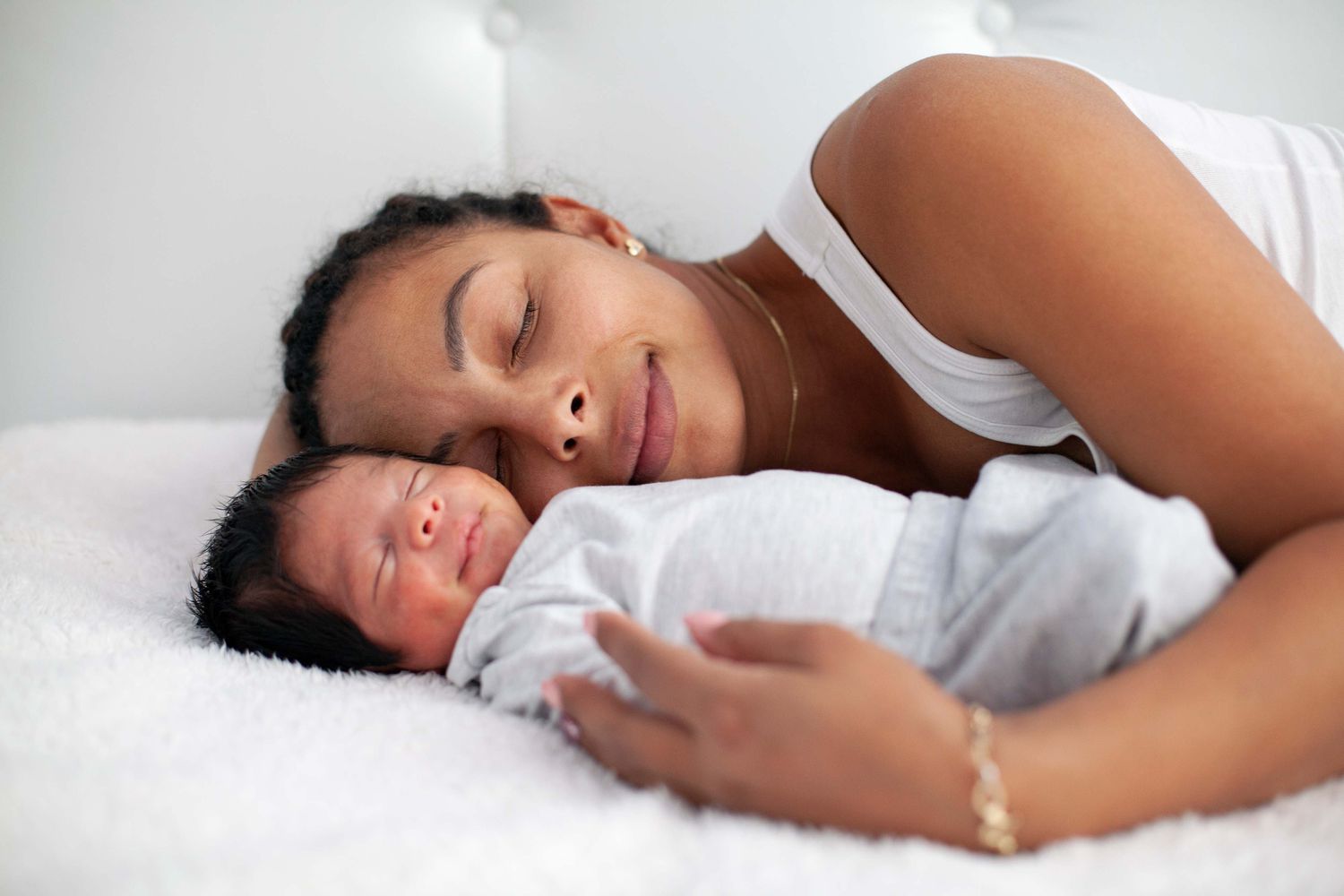
Bonding between you and your newborn baby is a vital part of development. Your baby’s behaviour tells you when they want to connect with you and strengthen the bond between you.
For example, when your baby wants to connect and bond with you, you might see behaviour like:
- making eye contact and later on, smiling
- making little noises, like coos or laughs
- looking relaxed and interested.
Responding to bonding behaviour
When you respond to your baby’s behaviour with a smile, touch or cuddle, your baby feels the world is a safe place to play, learn and explore.
You can’t spoil a newborn baby. Consistent and nurturing relationships early in life shape your baby’s development, learning and wellbeing, now and in the future.
Newborn communication behaviour: what to expect
Crying is your newborn baby’s main way of communicating needs and feelings.
Your baby cries when they’re hungry, tired, uncomfortable, sick or in pain. Sometimes they cry because they need a change of scenery or comfort, or because they need to know you’re there.
Newborn babies cry and fuss on average for almost 3 hours a day. Some cry for a lot longer than this. Most of this crying and fussing seems to happen in the late afternoon and evening, although each day will probably be a bit different.
Crying peaks at about 6-8 weeks. And as babies get older, they spend less time crying. The crying is also more likely to be spread throughout the day. And it’s easier to understand what babies need when they cry.